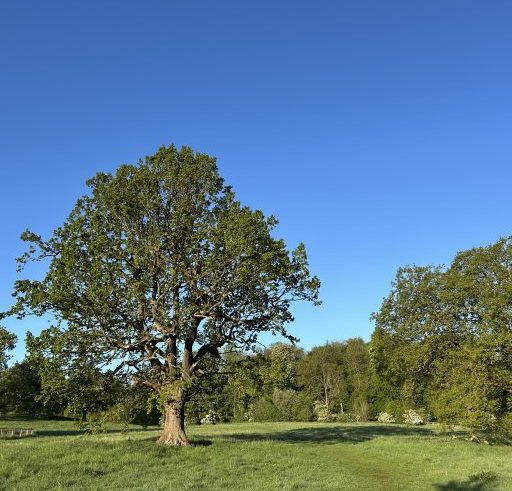
Sunday was the annual bring your own picnic on the village green. The family turned out in force to support me, it was a very pleasant informal gathering and noticeably more children attended, my swing-ball table tennis and outside games came into good use.
Probably the first time in a while that I didn’t feel under any pressure at a ‘do’. My neighbours all know the situation, Ken was mentioned more than once, but it was mainly regarding his building skills and the Parish Council – he did lots work for the village in the past.
Things move on, and I think I’m viewed as practical and capable, odd then last night I kept waking with disturbing flash backs I certainly didn’t enjoy.
I heard a neighbour who moved away a few years ago had suddenly died this week, and it brought strong feelings for his widow that shocked me. A very different scenario to Ken, but as the deceased was also just approaching retirement and had hoped for a relaxed life by the coast, it made me very sad.
Maybe the news mixed up my emotions. Last night I couldn’t help but worry about those who are closest to me, for whom things are clearly a struggle. The matriarchal instinct is a powerful one and keeping my brood safe is core.
But how do you support others when you know you are also vulnerable yourself?
Ken wasn’t just “lost” at the end. In many ways, we have been grieving for over ten years. With young-onset Alzheimer’s, families experience what many professionals call living grief—you lose pieces of the person over time, then when death finally comes, the shock can still be enormous, especially if it was sudden and traumatic. Those two kinds of grief can exist together and it’s a very complicated cocktail.
For the ‘workers’ soon everyone expects people to be “back to normal.” Bereavement leave ends, colleagues stop asking, and life carries on. Yet the grief is probably becoming more real rather than less. Many people say the hardest time starts once everyone else assumes they’re okay.
“Doing the garden has been my solace.”
Some people feel guilty when they begin enjoying life again, as though they’re betraying the person who died. In reality, living well is one of the ways we honour those we love.
Over the past few weeks, I’ve shared my garden with you – the new borders, the water feature, the patio, choosing plants, moving pots. Looking back, I realise this isn’t just a gardening project. I see myself slowly creating a peaceful place after years of living with uncertainty and loss.
The garden isn’t me moving away from Ken. It’s creating somewhere that love can continue to exist in a different form.
The family may not have found their equivalent yet.
I can’t solve their grief. Perhaps one of the greatest gifts I can give is permission to grieve without trying to fix it.
We don’t have to be over this, we don’t have to be ‘better’. Ken was a massive part of the family, and he would be incredibly proud of us all. He was deeply loved, and although Alzheimer’s took so much from him, it didn’t take away the family he built.
Maybe the healthiest thing I, as a mother can say is, “I struggle sometimes too, but we’ll all get through this together.”
 livinglifeafterdeath.com/blog